Golf guide • Spain • Andalusia (Costa del Sol)

Golf in Estepona: the Costa del Sol's town of flowers and its fairways

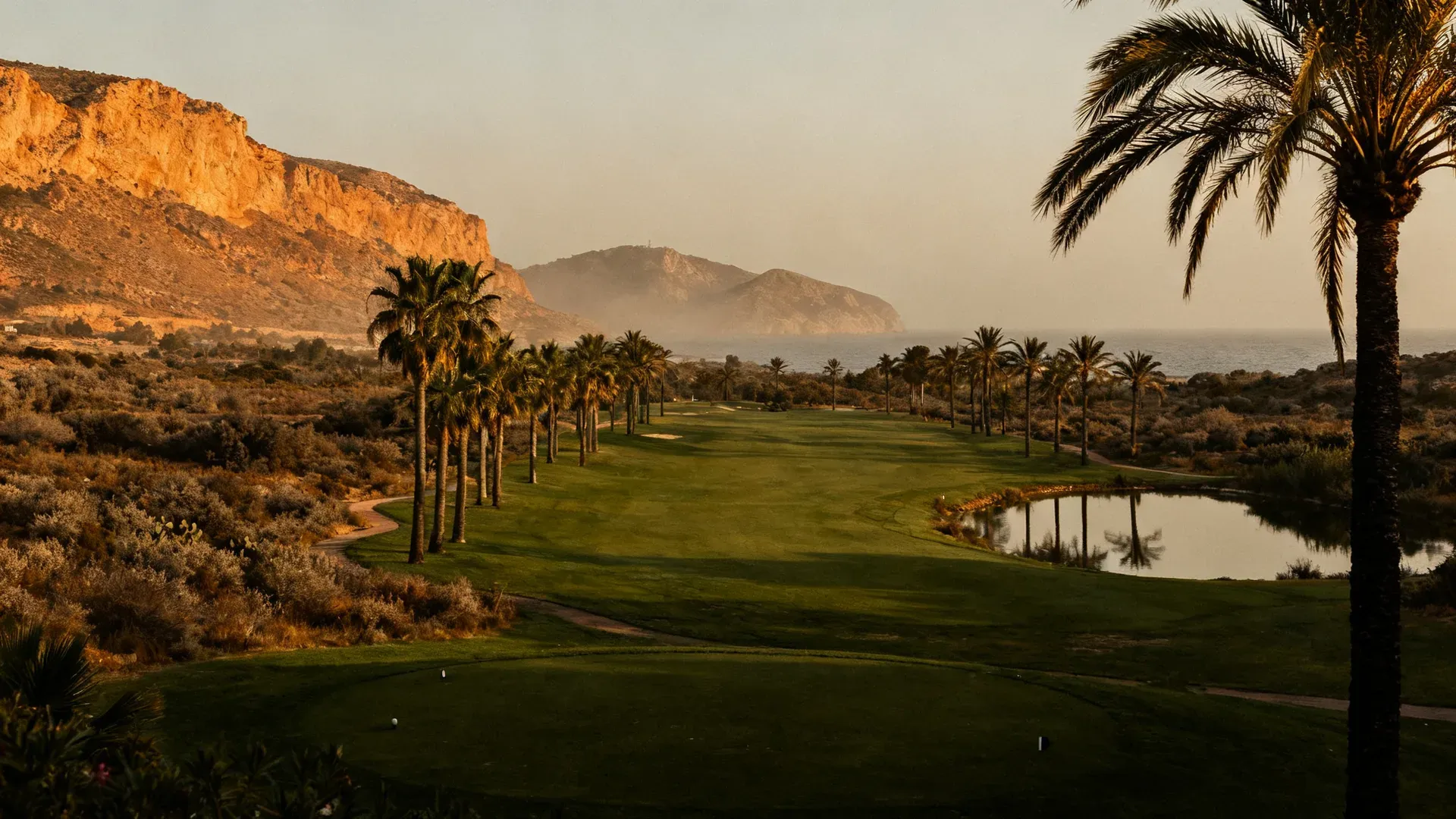
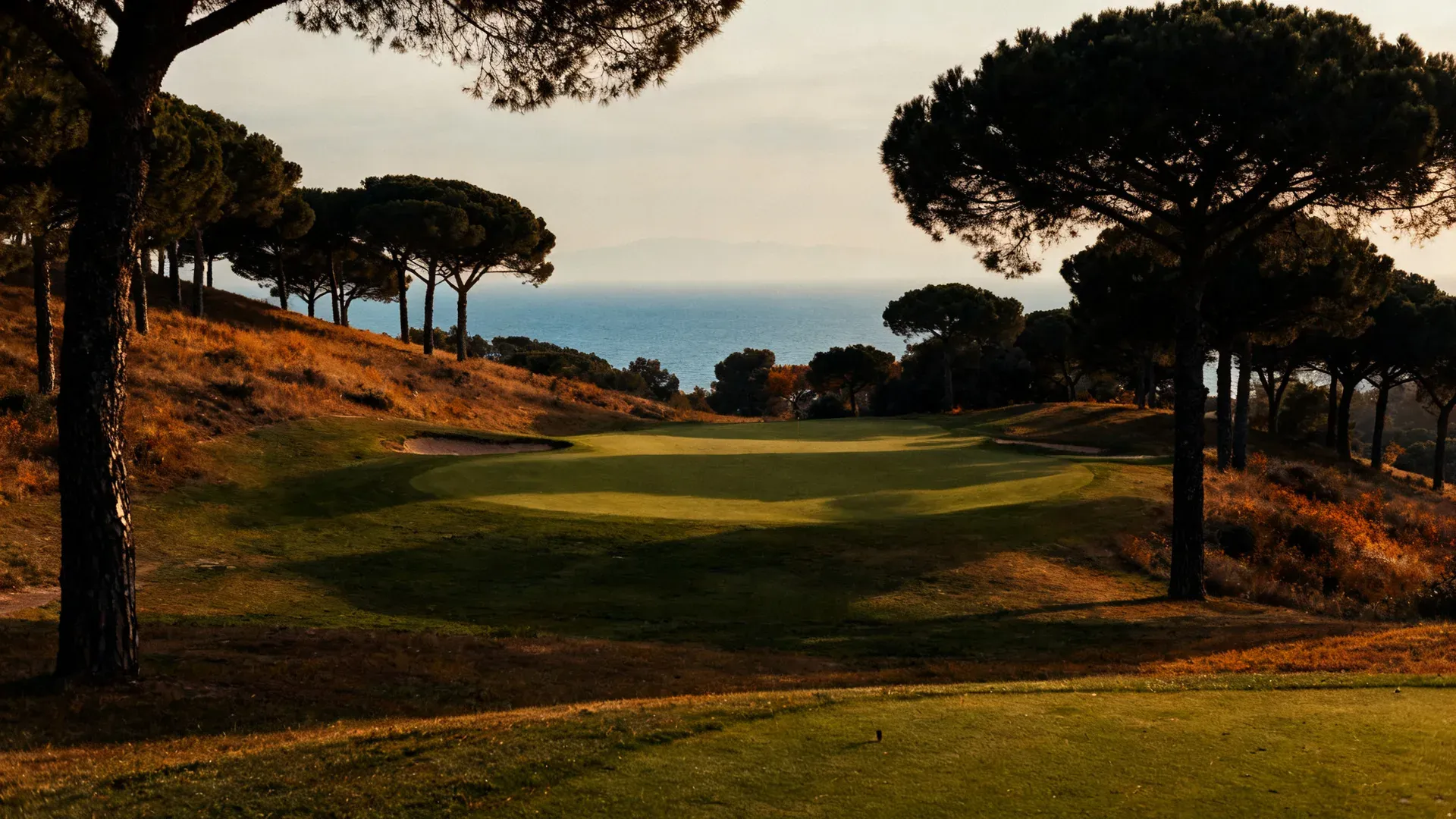
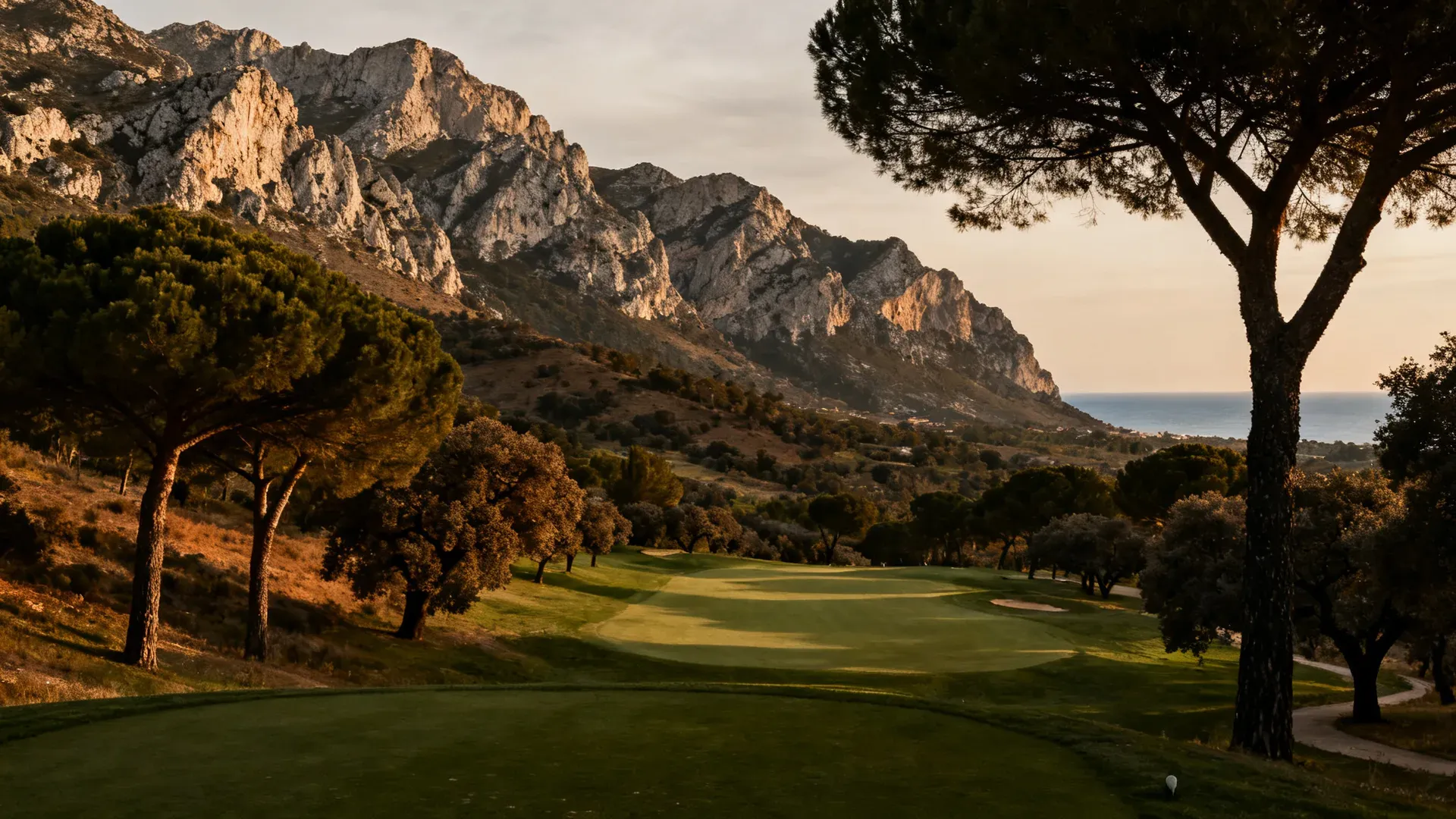
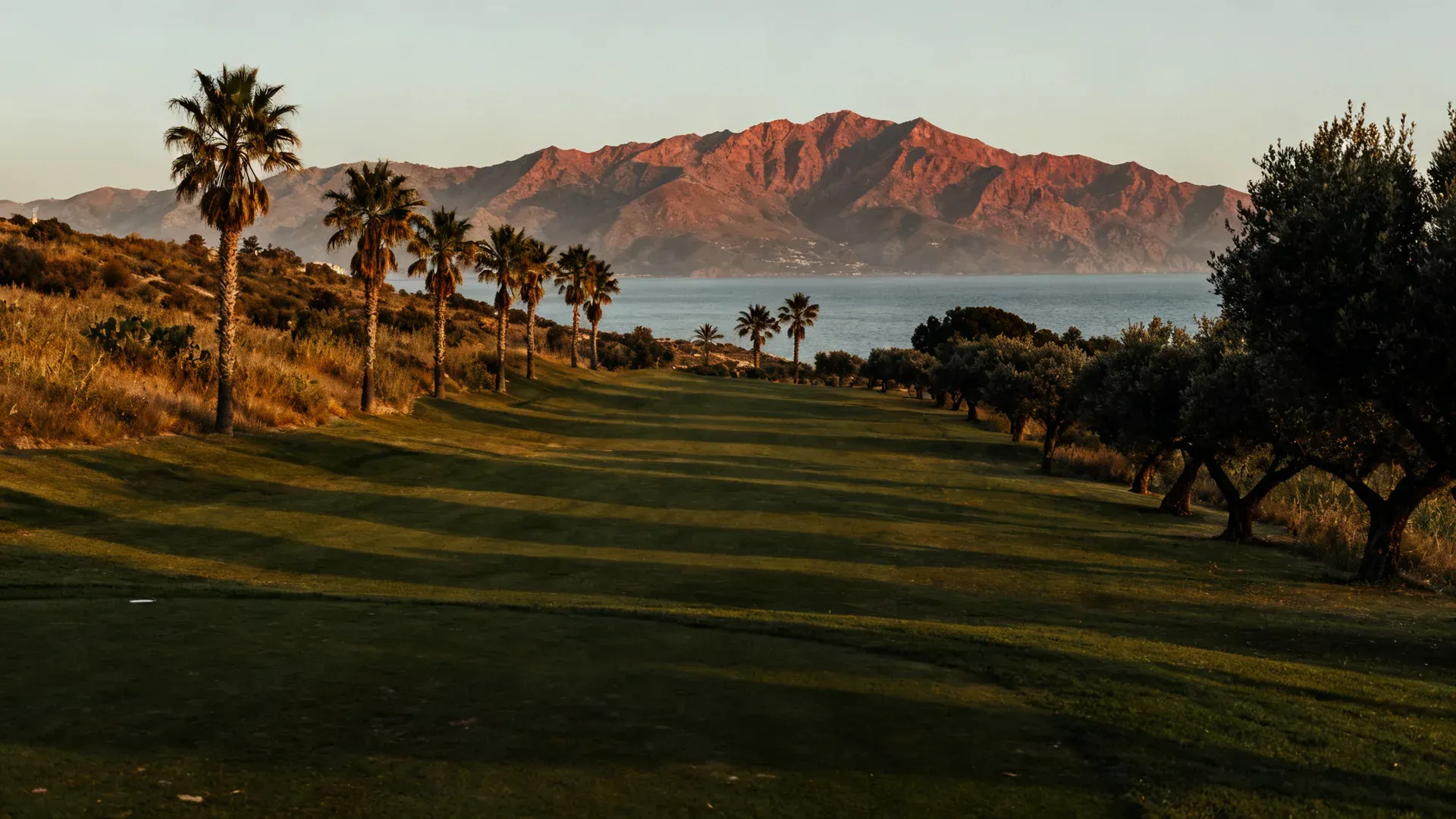
Estepona is a town on the western Costa del Sol, between Marbella and Gibraltar, surrounded by several courses less than twenty minutes away. You can play Valle Romano, a Cabell Robinson layout, Estepona Golf facing the sea, Antonio Garrido's Doña Julia and Finca Cortesín, host of the 2023 Solheim Cup, then return to dine in an old town of flower-decked facades. The best seasons run from March to June and from September to November.

Plan this tripUpdated

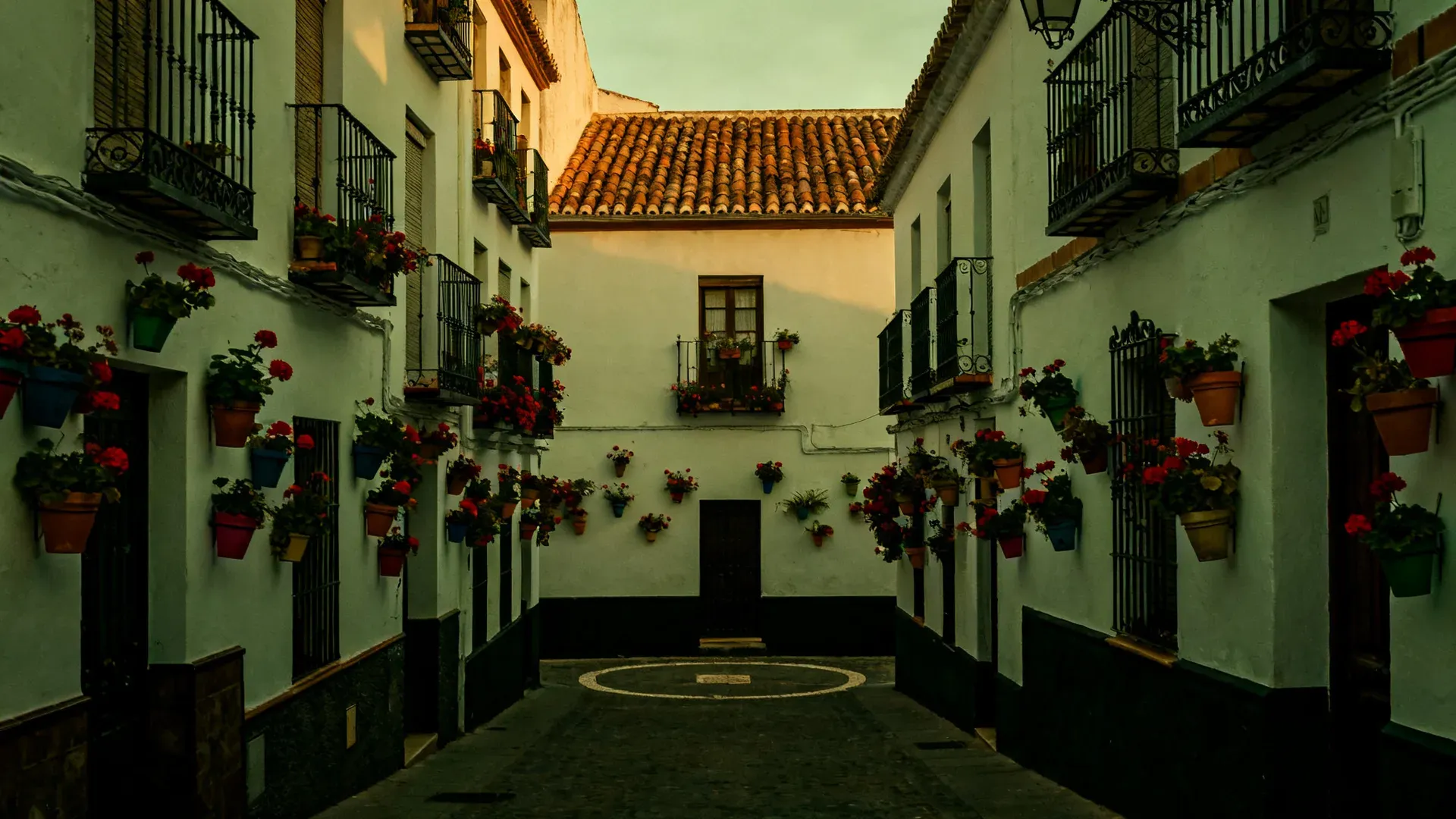
Estepona stretches along 21 kilometres of coastline west of Marbella, at the foot of the Sierra Bermeja, whose summit, Los Reales, rises to almost 1,450 metres. The town grew up around a fishing port and an old centre that is still very much lived in, famous for the pots of geraniums hung on its white facades. It is a quieter base than Marbella or Puerto Banús, with real neighbourhood life, town beaches and a paseo marítimo running along almost the entire coastline of the municipality.

The golf is played between the sea and the mountains. To the east, Valle Romano and El Paraíso, one of the coast's historic courses, are ten minutes from the centre. To the west, towards Casares and Manilva, Estepona Golf, Doña Julia and Finca Cortesín climb the hills above the motorway, with the Mediterranean and, on a clear day, Gibraltar on the horizon. The hilly courses of Benahavís, about twenty minutes away, round out the choice for those staying longer.

A typical stay runs to four to six nights: a round each morning, the beach or a siesta in the afternoon, and in the evening a stroll through the casco antiguo before dinner. You can stay in the heart of the old town, within walking distance of the terraces, or at a resort in the hills of Casares to play and dine without getting back in the car. A car is still needed to get from one course to the next.

The courses

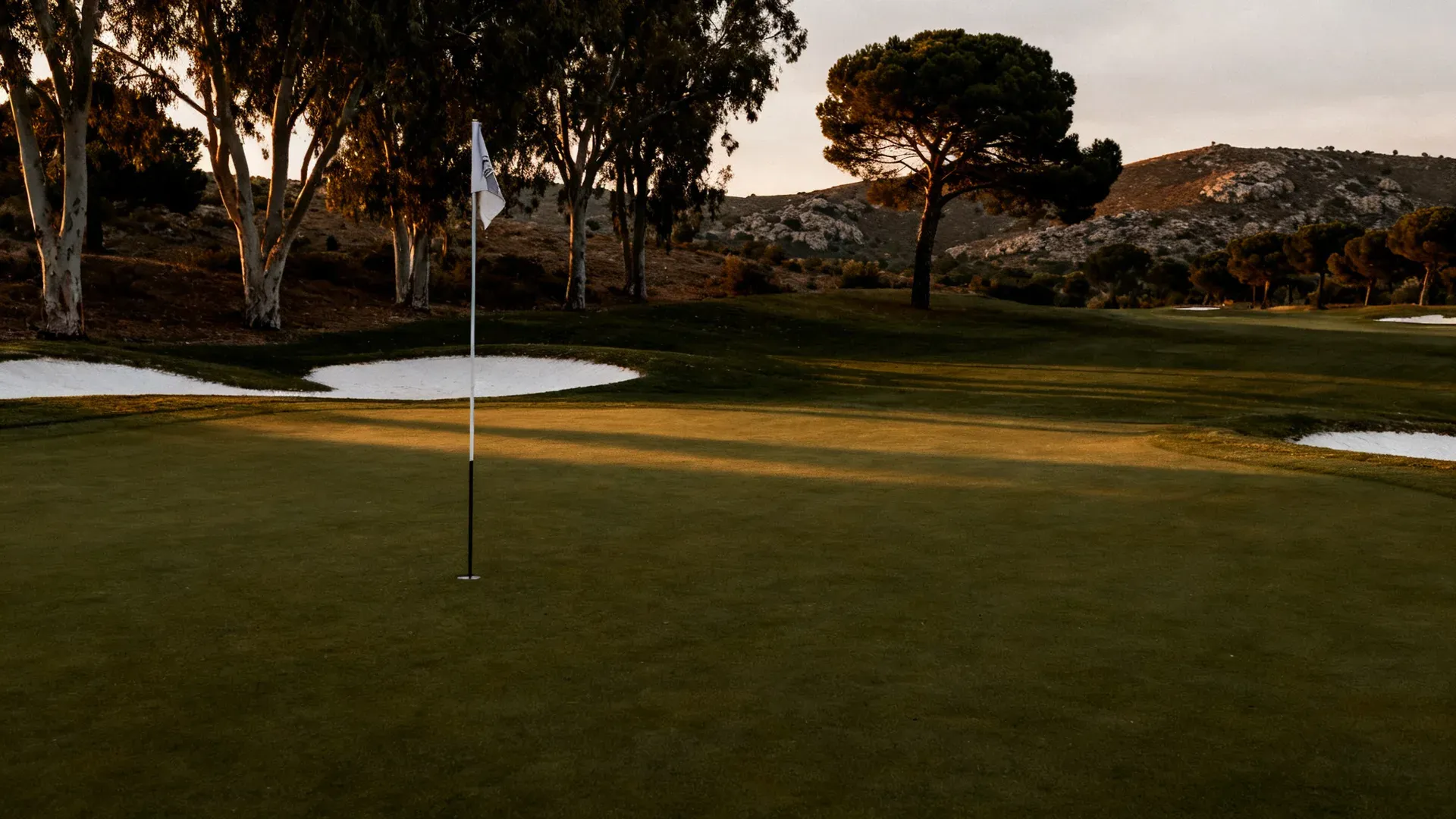
Green and white flag, pale-sand bunkers, eucalyptus and a stone pine against a rocky hillside

Valle Romano Golf & Resort

  • Architect: Cabell B. Robinson
  • Opened 2010
  • 18 holes
  • Par 71

Opened in 2010 in the hills east of town, Valle Romano is the work of the American Cabell Robinson: a par 71 of 6,214 metres from the back tees, with generous fairways that make it playable for every level. Each nine opens with a par 5, and the early holes pass beneath the AP-7 motorway through a tunnel. Every hole bears the name of a great Spanish player, from Álvaro Quirós at the 1st to Seve Ballesteros at the 18th. The course hosted the Challenge Tour in its early years and stands out for a rare finish: par 3, par 5, par 3.

Signature hole. The 18th, a 229-metre par 3 named after Seve Ballesteros, plays to a diamond-shaped green guarded by four large bunkers: a last chance to win or lose the match.

Official website
Estepona Golf

  • Opened 1989
  • 18 holes
  • Par 72

Opened in 1989 west of town, inland above the coast road, Estepona Golf is a par 72 run by its founder's family on a pay-and-play basis. The course unfolds in the shadow of the Sierra Bermeja, with the sea in view from almost every green. Wide fairways lined with palms, eucalyptus and wild olives, measured bunkering and gently rolling greens: a layout that forgives the weekend golfer without boring the low handicapper, in a simple, welcoming atmosphere.

Signature hole. The 3rd, nicknamed "Ski Slope", is a 380-metre par 4 that plunges towards the green from an elevated tee.

Official website

Doña Julia Golf Club

  • Architect: Antonio Garrido
  • 18 holes
  • Par 71

In the municipality of Casares, on the border with Manilva and about fifteen minutes west of Estepona, Doña Julia runs down almost to the shore, with the Sierra Bermeja and the Serranía de Ronda as a backdrop. The course, a par 71 of 6,021 metres from the white tees, was designed by Antonio Garrido, winner of the first official tournament in European Tour history in 1972 and Seve Ballesteros's partner in their 1977 World Cup victory. A rolling, enjoyable layout, ideal for the second or third day of a stay.

Official website

Finca Cortesín Golf Club

  • Architect: Cabell B. Robinson
  • 18 holes
  • Par 72

The championship course at the Finca Cortesín estate, in Casares, about twenty minutes from town, is one of Andalusia's benchmarks. Designed by Cabell Robinson, this par 72 approaches 7,000 metres from the back tees. It hosted the Volvo World Match Play from 2009 to 2012, then the 2023 Solheim Cup, the first played in Spain, which ended in a 14-14 tie that allowed Europe to retain the trophy. In 2018 the club became the first in Spain to sow its greens with MiniVerde Bermuda grass and rebuilt all its bunkers. A course to save for the best day of your stay.

Signature hole. The 13th, a par 4 with a wide fairway, is crossed twice by water: from the tee and again on the second shot, to a green ringed by bunkers and trees.

Official website

Where to stay

Hotel El Pilar Andalucía

A family-run four-star boutique hotel with 36 rooms and suites on the Plaza de las Flores, the liveliest square in the old town, five minutes' walk from the beach. Ask for the Deluxe vista Torre, set in the tower: a vaulted, Arab-inspired ceiling and a large terrace looking over the whole town. In the evening, a drink at the Bermeja Views rooftop, facing the sierra. Valle Romano and El Paraíso are about ten minutes away.

Finca Cortesín

In the hills of Casares, about a kilometre and a half from the sea, Finca Cortesín brings together the hotel, the Solheim Cup course and several restaurants. The Junior Suites offer 52 square metres, four-metre ceilings and a private patio or terrace; the spa covers more than 2,200 square metres. The beach club and its 35-metre pool close on Mondays and Tuesdays in April, May, June and September: keep them for another day.

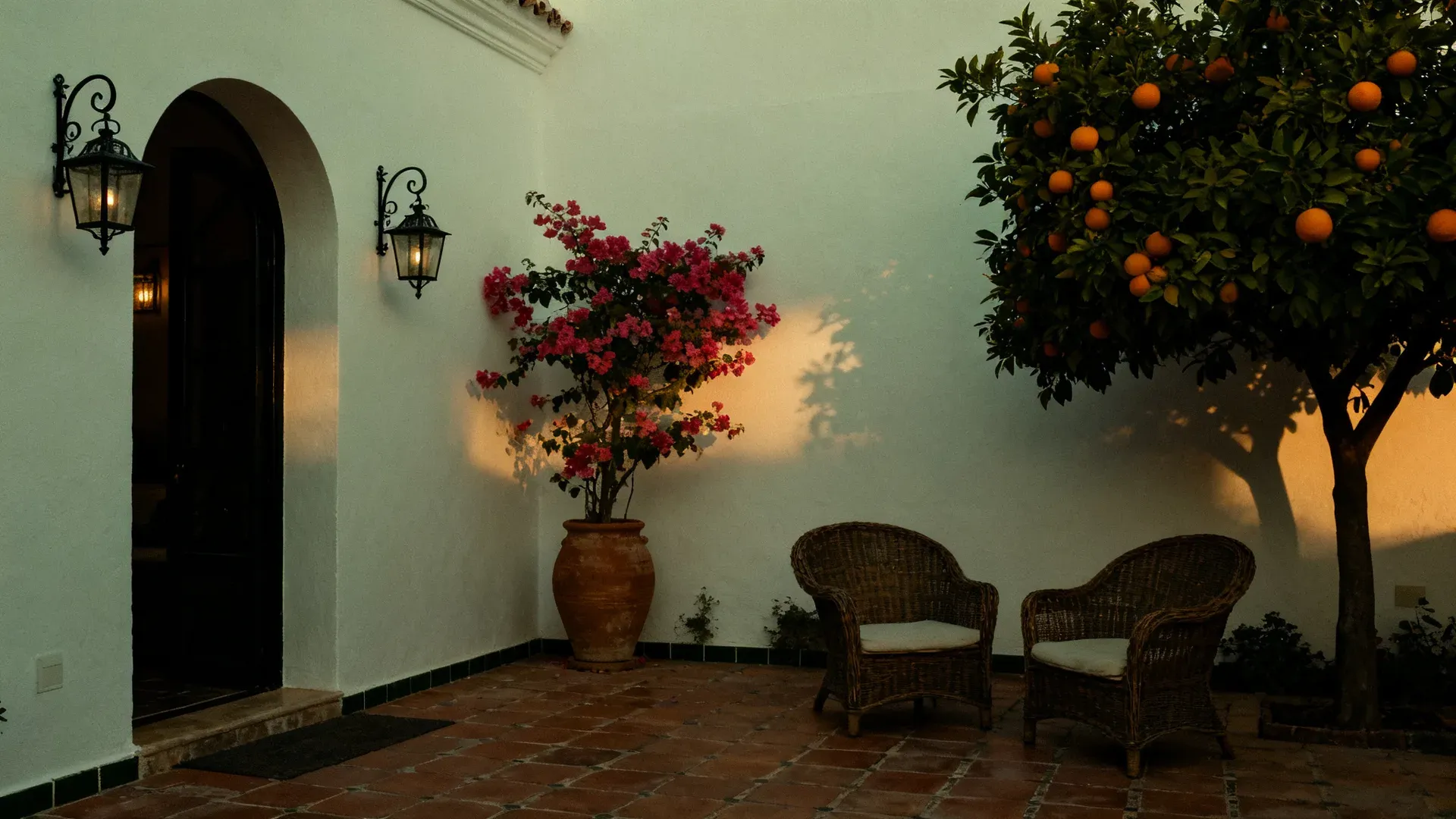
White patio with an arched doorway, wrought-iron lanterns, a potted bougainvillea, an orange tree and two wicker armchairs

Where to dine

Sarmiento Brasa Andaluza

On the Casares road, at kilometre 12.5, a modernised family house at the top of a hill, recommended by the Michelin Guide. The brothers Juan Diego and Miguel serve Andalusian cooking over embers: Málaga kid goat, aged meats and the day's suggestions. The terraces, with their view over the countryside, justify lunch after a round at Doña Julia or Finca Cortesín.

El Jardín de Lutz

Chef Lutz Bösing's restaurant at Finca Cortesín revisits Spanish tradition with refined execution, using local, seasonal produce. It serves in the evening, from 7 to 11 pm, which makes it the natural dinner after a day on the estate's course.

Beyond golf

The old town and its murals

Estepona's casco antiguo is explored on foot, from the Plaza de las Flores to the Torre del Reloj, probably a former minaret turned bell tower after the Reconquista, and the remains of the castle of San Luis, built in the early 16th century. Some thirty giant murals painted on the facades form a trail of their own, one of which covers six buildings in a row.

The Orquidario

Opened in 2015 in the heart of town, the Orquidario houses some 1,300 species of orchid from around the world beneath a 30-metre glass dome, with a 17-metre indoor waterfall. A humid, fragrant hour under cover, to slip in between a round and a late dinner.

Los Reales de Sierra Bermeja

The mountain that closes the horizon beyond the courses is a protected natural area, Los Reales de Sierra Bermeja, where the pinsapo, a fir endemic to Andalusia, grows among the pines and rocks. The summit of Los Reales approaches 1,450 metres: a day's hiking in cooler air, away from the coast, for a day off the course.

Whitewashed lane hung with pots of geraniums, wrought-iron balconies and a tiled roof at the end

When to go

Spring, from March to June, and autumn, from September to November, bring mild days and courses in good condition. Summer is hot and very busy on the coast: play early in the morning and keep the afternoon for the beach. Winter stays mild and sunny, with a few spells of rain; it is high season for golfers from northern Europe, and morning tee times should be booked ahead.

Getting there

Málaga airport (AGP) is about 80 kilometres away, an hour's drive along the coastal motorway. Gibraltar's airport, 45 kilometres away, is closer but means crossing the border. A car is essential: the courses are ten to twenty minutes from the centre, on either side of town.

Frequently asked questions

What are the best golf courses around Estepona?

Finca Cortesín, host of the 2023 Solheim Cup, Cabell Robinson's Valle Romano, Estepona Golf and Doña Julia, all less than twenty minutes from the centre. El Paraíso, a Gary Player design, is also in the municipality.

Can you play Finca Cortesín without staying at the hotel?

Yes, the club sells tee times to visitors through its booking system. It is best to book well in advance in high season.

When is the best time to play golf in Estepona?

From March to June and from September to November. Summer means playing early; winter is mild but in high demand among golfers from northern Europe.

Which airport should I fly into for a golf trip to Estepona?

Málaga airport (AGP), an hour's drive away. Gibraltar, 45 kilometres away, is an alternative depending on flights.

How many nights should I plan for a golf trip to Estepona?

Four to six nights let you play three or four courses and keep time for the old town and the beach.

Tailor-made

Your golf trip: Estepona

Tee times, suites, transfers and tables: your concierge replies within 24 hours with a proposal shaped around you.

Explore: Spain →