Golf guide • Italy • Tuscany

Golf in Florence: Chianti fairways, the Renaissance twenty minutes away

Florence has two 18-hole courses no more than half an hour from the centre: Golf dell'Ugolino, laid out in 1934 on the slopes of Chianti and host of the 1983 Italian Open, and Le Pavoniere, designed by Arnold Palmer on the plain of Prato. Golfers come to play in the morning and spend the afternoon at the Uffizi or in the Oltrarno, ideally from April to June and in September and October.

Plan this tripUpdated

Golf reached Italy through Florence: in 1889 the city's British community laid out an 18-hole course on the land of Princess Demidoff, north of the city. In 1934 the club moved to the Ugolino hills, beside the Chiantigiana road, where it still plays today. Florence is not a city that discovered golf for the tourists, then, but one of the cradles of the game in Italy.

The city's two courses have almost nothing in common, and that is their appeal. The Ugolino is short and hilly, squeezed between olive trees, vines and maritime pines, with tiny greens. Le Pavoniere, to the north-west near Prato, is a flat 1990s layout, open and guarded by lakes and canals. A day on each shows two faces of Tuscan golf, without ever spending more than half an hour in the car.

The rest of the stay belongs to the city. The historic centre, a UNESCO World Heritage Site since 1982, is best explored on foot, and the tables range from the neighbourhood trattoria to one of the most celebrated houses in Italy. Three to five nights allow two or three rounds, a day in Chianti and late afternoons kept for the Arno, when the light turns the façades gold.

The courses

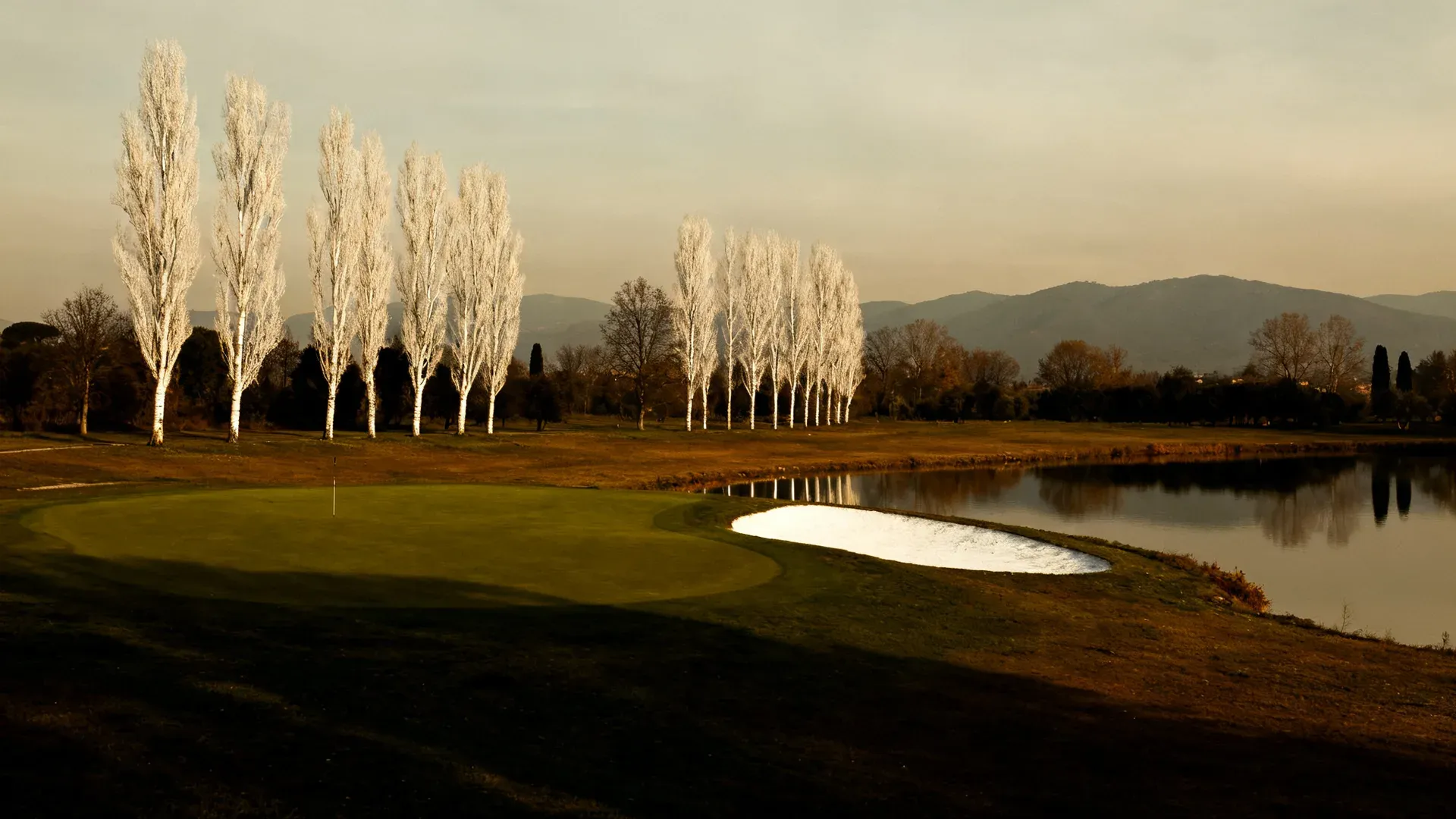
Green and pale sand bunker beside a lake, a row of white poplars and hills in the distance

Golf dell'Ugolino

  • Architect: Cecil Blandford, Peter Gannon
  • Opened 1934
  • 18 holes
  • Par 72

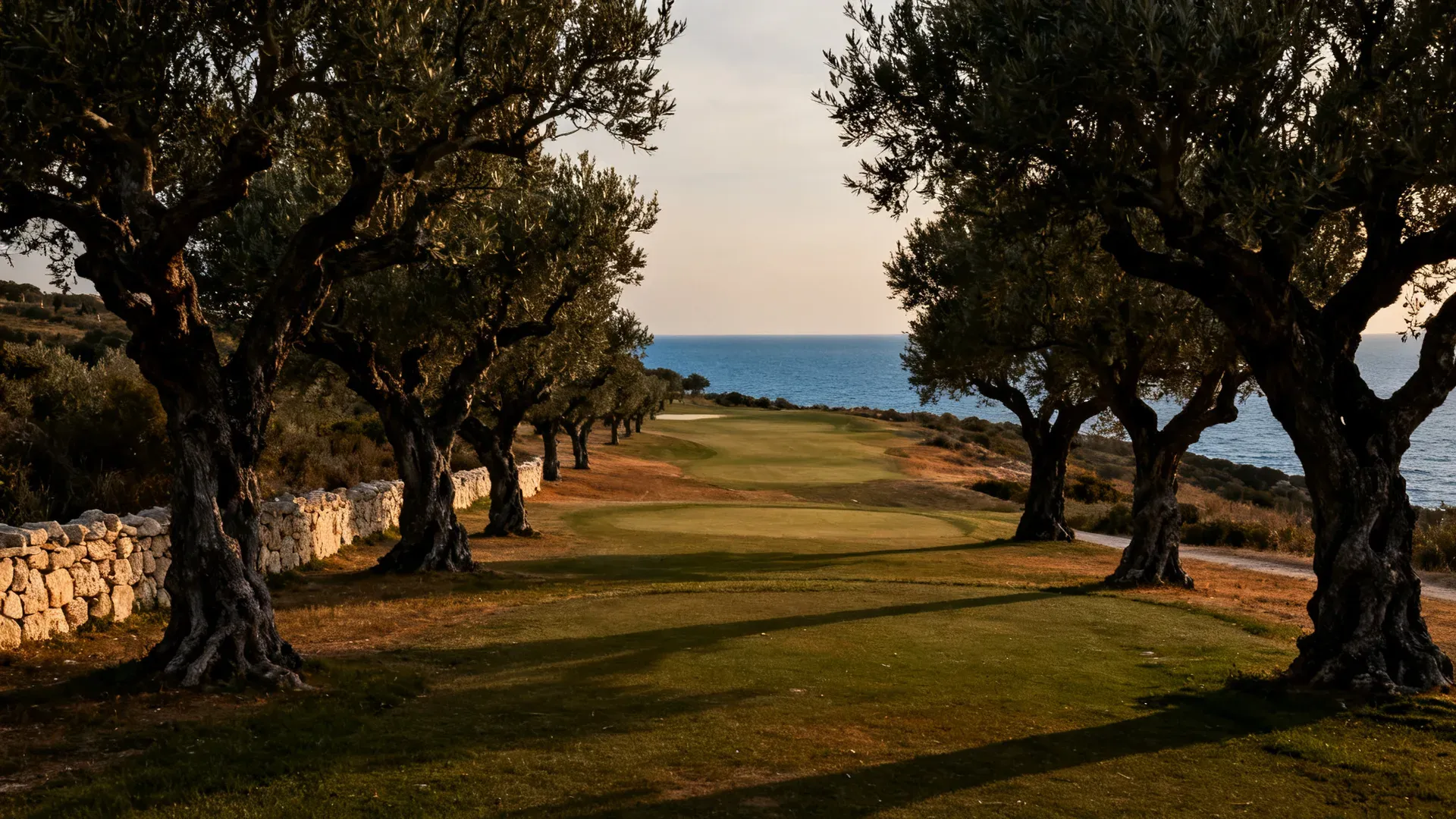
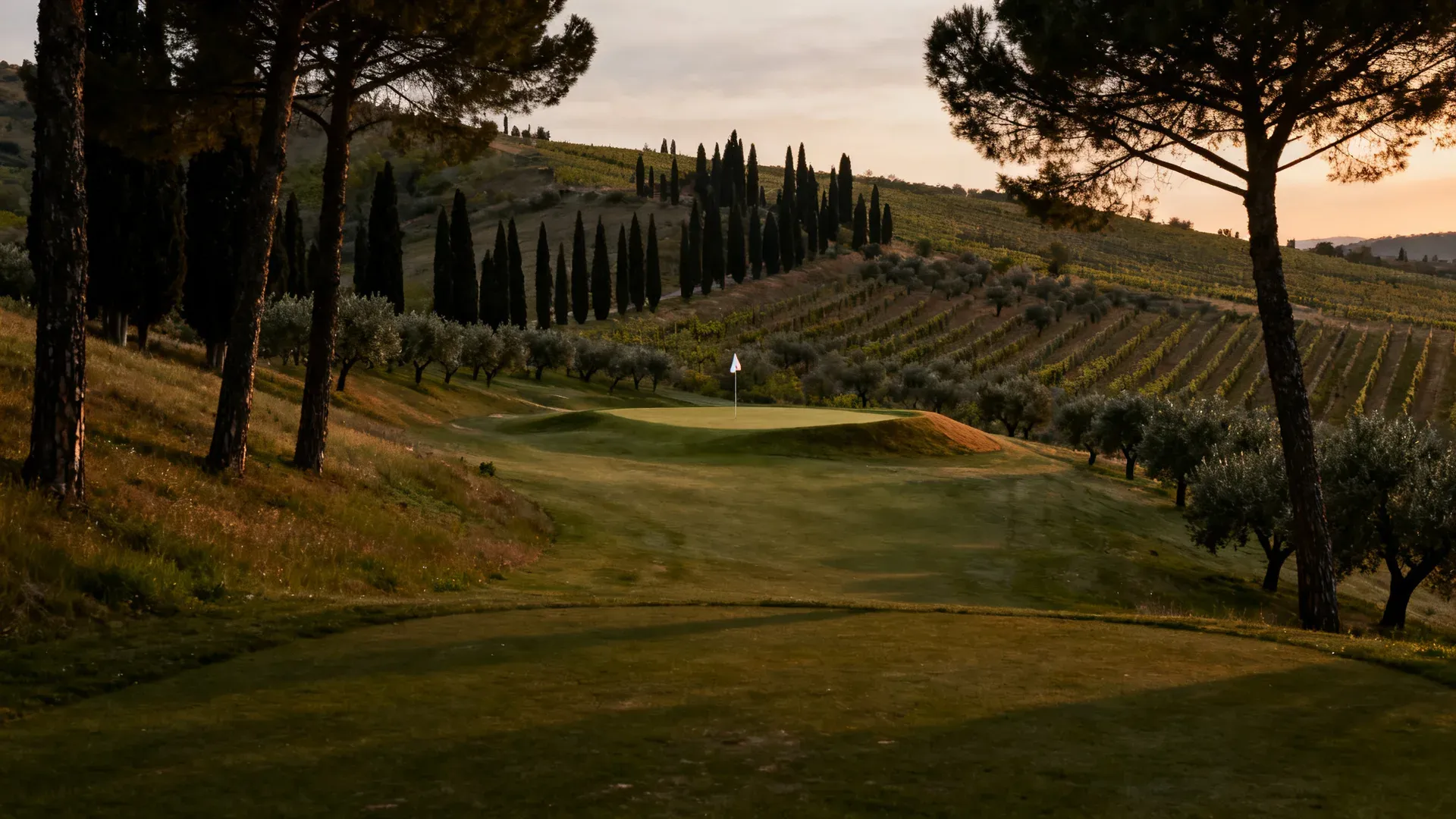
Designed by the Englishman Cecil Blandford and the Irishman Peter Gannon, the Ugolino follows the slopes of Chianti at Impruneta, some twenty minutes south of the centre. Par 72 yet only 5,672 metres from the back tees: here length matters little and precision a great deal. Fairways tilt, greens are small and well defended, and out of bounds runs along several holes. You play among olive trees, vines, maritime pines and broom. It hosted the 1983 Italian Open, won by Bernhard Langer in a play-off against Severiano Ballesteros and Ken Brown. A course for skilful players rather than big hitters.

Signature hole. Today's 9th was the 18th in 1983: on the final day of the Open, Ballesteros holed a 9-iron approach there, and a plaque marks the spot he played from.

Official website
Le Pavoniere Golf & Country Club

  • Architect: Arnold Palmer
  • Opened 1995
  • 18 holes
  • Par 72

Opened in 1995 at Tavola, on the edge of Prato, on an estate that once belonged to Leopold de' Medici, Le Pavoniere is the work of Arnold Palmer. The flat land was shaped with mounds, and a chain of lakes and canals comes into play on both nines: 6,465 metres, par 72, with greens defended by water and wide bunkers. The club has hosted European Challenge Tour events, and 1,800 trees of local species were planted to frame the holes. The 19th-century villa serves as the clubhouse, with a restaurant overlooking the course. Longer and more open than the Ugolino, and flat.

Signature hole. The 6th, a 348-metre par 4, is played to an island fairway; the approach is to a green protected by both water and a large bunker.

Official website

Where to stay

Villa La Massa

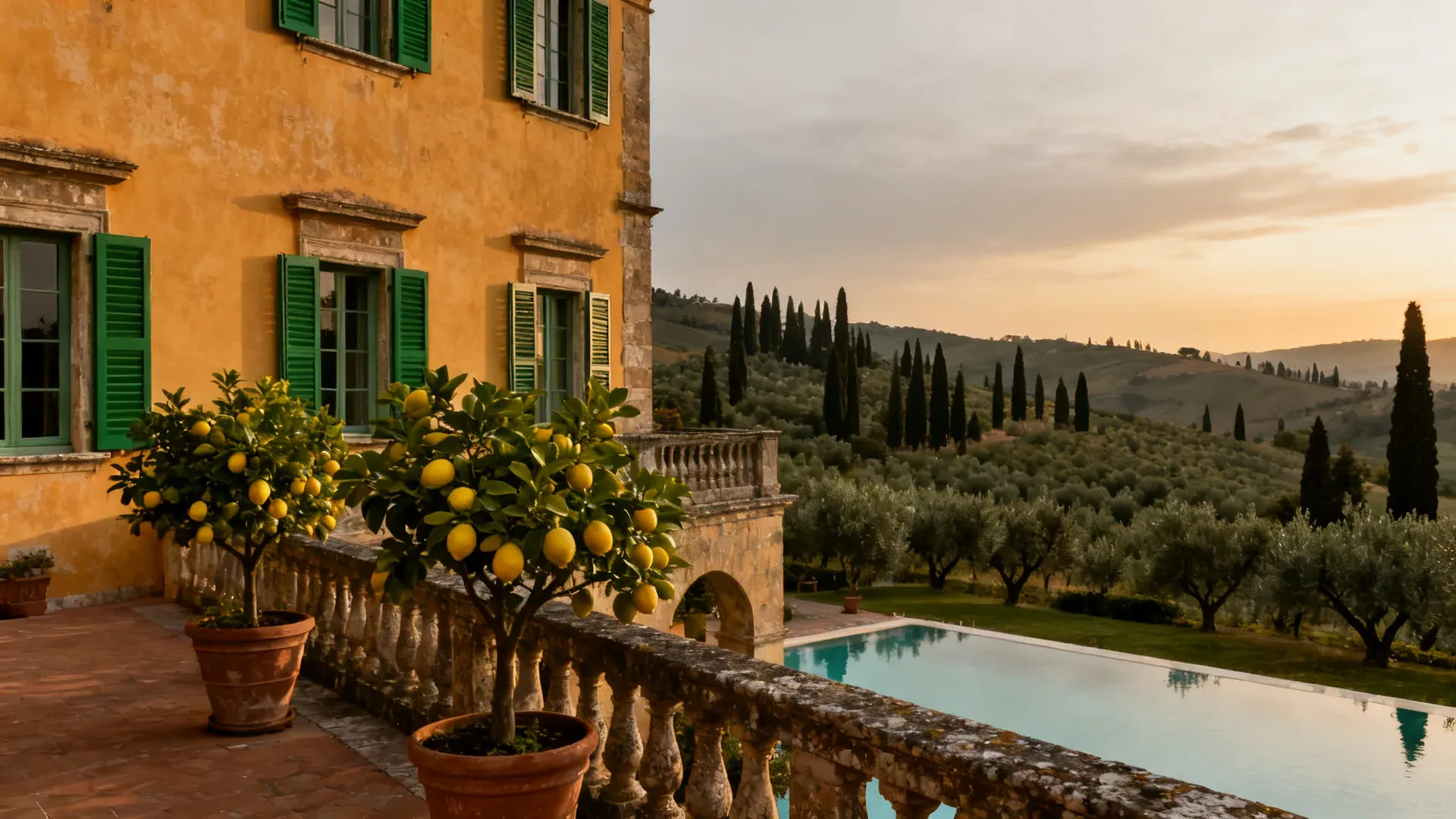
A noble villa whose origins go back to the 13th century, a hotel since 1948, on the banks of the Arno at Candeli, just upstream from Florence. Ask for La Limonaia, the old winter shelter for the lemon trees, renovated in 2019: ten rooms, each with a private garden or a balcony over the Arno. Pool, spa and Il Verrocchio's riverside terraces. Country calm at night, with Florence and the Ugolino close at hand.

Il Salviatino

A 15th-century villa in five hectares of gardens and olive groves at Fiesole, on the heights north of the city. Thirty-nine rooms and suites, some looking straight out over the rooftops and monuments of Florence. The spa occupies the old greenhouse, the pool is outdoors and the restaurant, Da Giacomo al Salviatino, extends a well-known Milanese address. For those who would rather look down on the city than stay in it.

Ochre Tuscan villa terrace with green shutters, potted lemon trees and a pool facing olive trees and cypresses

Where to dine

Enoteca Pinchiorri

Opened in 1972 by Annie Féolde and Giorgio Pinchiorri, first as a simple wine cellar with a kitchen, the Enoteca occupies a 17th-century palazzo on Via Ghibellina and holds three Michelin stars. Refined Italian cooking, a soufflé not to be missed, and a cellar the guide itself calls legendary. The evening of the trip, to be booked early.

Il Santo Bevitore

In the Oltrarno, on Via di Santo Spirito, a neighbourhood trattoria recommended by the Michelin Guide: cured meats, ribollita, roast pigeon with zolfini beans, cantucci and vin santo. Generous Tuscan cooking, sometimes given a lighter touch, in a simple, lively room a few steps from the district's artisan workshops.

Osteria Cipolla Rossa

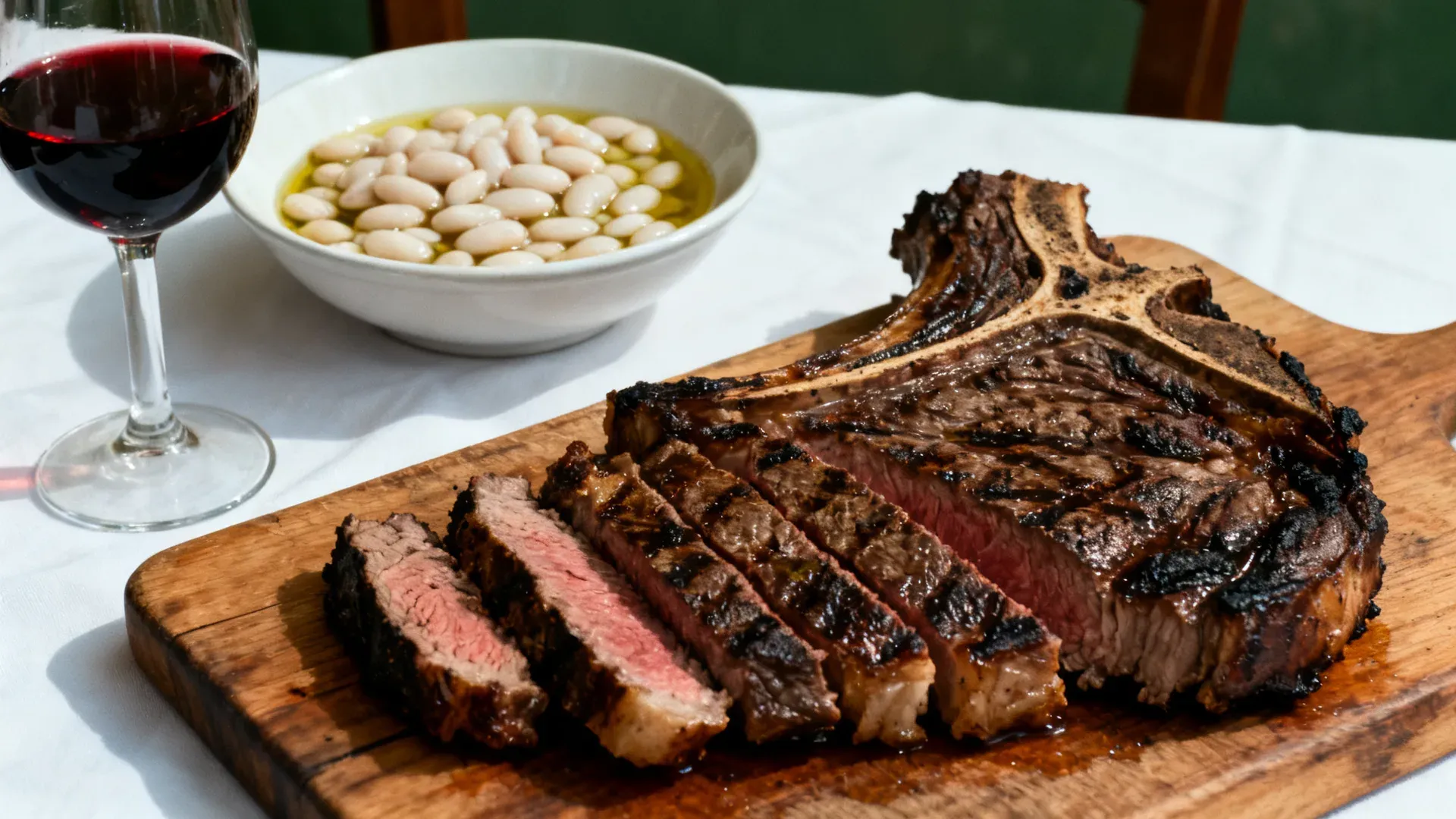
An osteria on Via dei Conti, near the San Lorenzo market, for a bistecca alla fiorentina done by the book. The meat comes from the Manetti butcher's, in the Mercato Centrale since 1982, and the menu follows the seasons: pappa al pomodoro in summer, ribollita in winter. Large rooms, a family atmosphere, a good choice for a group.

Grilled bistecca sliced on a board, a bowl of white beans in olive oil and a glass of red wine

Beyond golf

The historic centre on foot

The cathedral of Santa Maria del Fiore and Brunelleschi's dome, the Palazzo Vecchio, the Uffizi, the Ponte Vecchio: everything is a few minutes' walk apart. Book the Uffizi ahead and visit in the afternoon after a morning's golf, then cross the Arno to the quieter Oltrarno for an aperitivo.

A day in Chianti

The Chiantigiana road that passes the Ugolino carries on south through the vineyards of Chianti. A day off the course is easy to arrange there: a winery visit and tasting, lunch in a village, the drive back through the hills at sunset. By bike with a guide, it is one of the finest ways to see Tuscany, provided you enjoy a climb.

A Tuscan cookery class

Fresh pasta, ribollita, panzanella: half a day at the stove with a Florentine cook, often preceded by a trip to the market, ends at the table with what you have made. A good activity for a rainy day or for non-golfing companions, and a way to take a little of Tuscany home.

When to go

April, May and June are the best months: mild weather, green courses and long evenings. Florentine summers are hot, with on average more than seventy days a year above 30°C, concentrated in July and August, when the first tee time is the one to take. September and October bring back ideal temperatures, but autumn is the wettest season, especially from October. Winter remains playable, cool and damp.

Getting there

Florence Peretola airport (FLR) is on the edge of the city, about twenty minutes from the centre by taxi; tram line 2 also links it to the centre. It handles only short- and medium-haul flights, and Pisa, Tuscany's other main airport, often has more flights, with coach shuttles to Florence. Florence is also a high-speed rail hub, linked to Rome and Milan.

Frequently asked questions

What is the best golf course near Florence?

Golf dell'Ugolino at Impruneta is the best known: laid out in 1934 in the Chianti hills, it hosted the 1983 Italian Open. Le Pavoniere, designed by Arnold Palmer near Prato, is longer and more open.

How many golf courses are there around Florence?

Two 18-hole courses lie no more than half an hour from the centre: the Ugolino to the south, about twenty minutes away, and Le Pavoniere to the north-west, about half an hour. It is a destination for two or three rounds, combined with the city.

When is the best time to play golf in Florence?

From April to June and in September and October. July and August are hot and best played early in the morning, and autumn is the wettest season.

How many days do you need for a golf trip to Florence?

Three to five nights: a round on each course, a day in Chianti and time to visit the Uffizi and the cathedral.

Which airport is best for a golf trip to Florence?

Florence Peretola (FLR), about twenty minutes from the centre. Pisa, Tuscany's other main airport, often has more flights and coach shuttles to Florence.

Tailor-made

Your golf trip: Florence

Tee times, suites, transfers and tables: your concierge replies within 24 hours with a proposal shaped around you.

Explore: Italy →