Golf guide • Scotland • East coast of Scotland

Golf in Angus: Carnoustie and the forgotten links of the east coast

Angus, on the east coast of Scotland between Dundee and Montrose, gathers a run of historic links around Carnoustie: the Championship Course, which has hosted the Open eight times, Panmure, where Ben Hogan prepared before his 1953 victory, then Monifieth and Montrose. Golfers come for demanding, authentic seaside golf, away from the crowds of St Andrews. The best season runs from May to September.

Plan this tripUpdated

Between the Tay estuary to the south and the red sandstone cliffs that rise towards Arbroath and Montrose, Angus unrolls a strip of low dunes where golf has been played for more than four centuries: Carnoustie's parish records mention "gowff" as early as 1560. The ground is flat and open, swept by the North Sea wind, and the links follow one another along the coast from Monifieth to Montrose.

Carnoustie is the centre of gravity. The Championship Course, reputed to be the hardest on the Open rota, sits alongside two other courses run by the same links, Burnside and Buddon. Five minutes away, Panmure, founded in 1845, remains one of the country's best-kept secrets; Monifieth is ten minutes away, Montrose about thirty-five. You can play four remarkable links in four days without ever driving more than forty minutes.

Beyond golf, Angus holds a rich history for such a discreet region: Arbroath Abbey, linked to the Declaration of 1320, Glamis Castle and its legends, and fishing villages clinging to the cliffs where haddock is still smoked. Four to six nights are enough to play without rushing and keep a day for the coast or the glens.

The courses

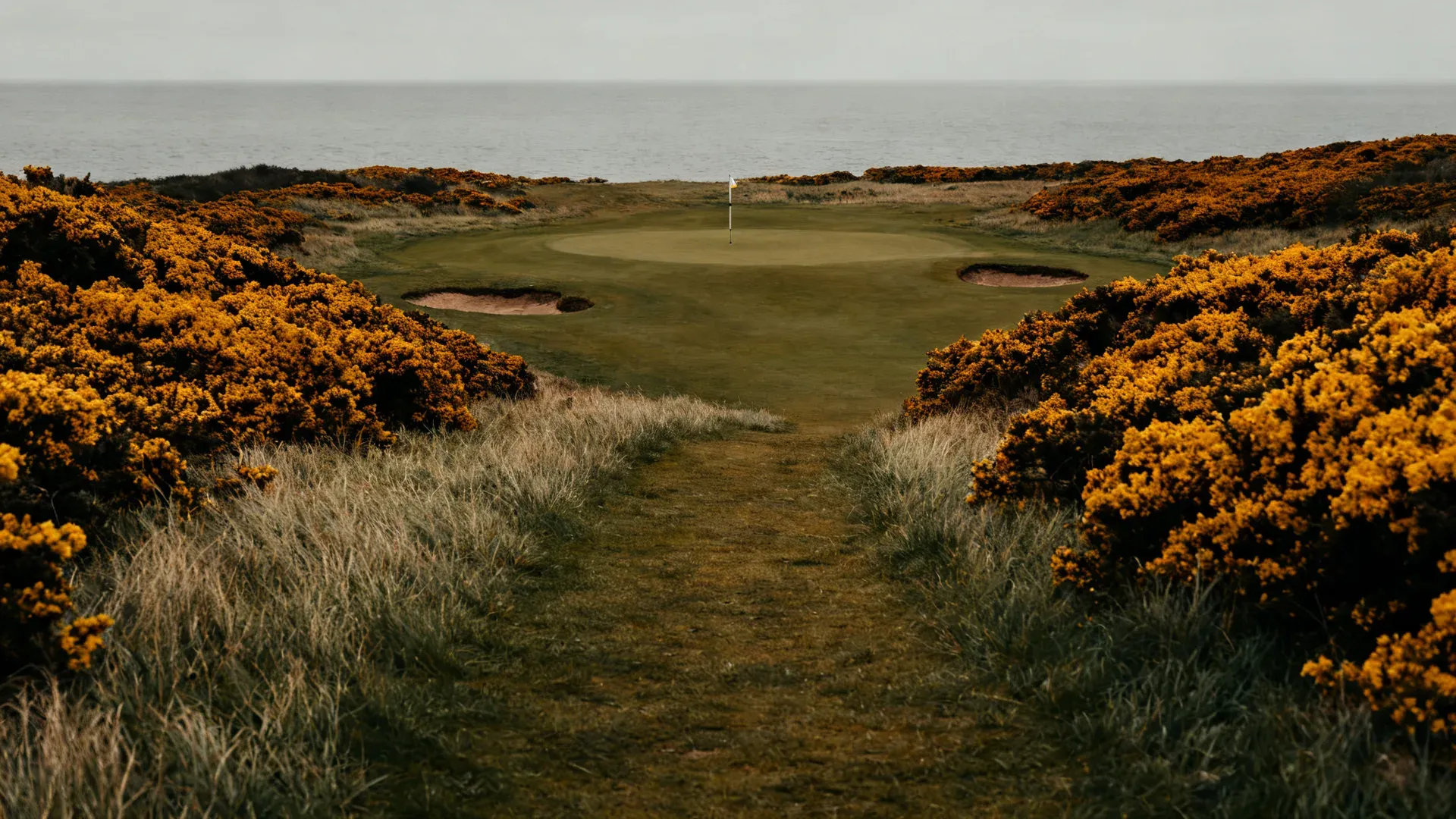
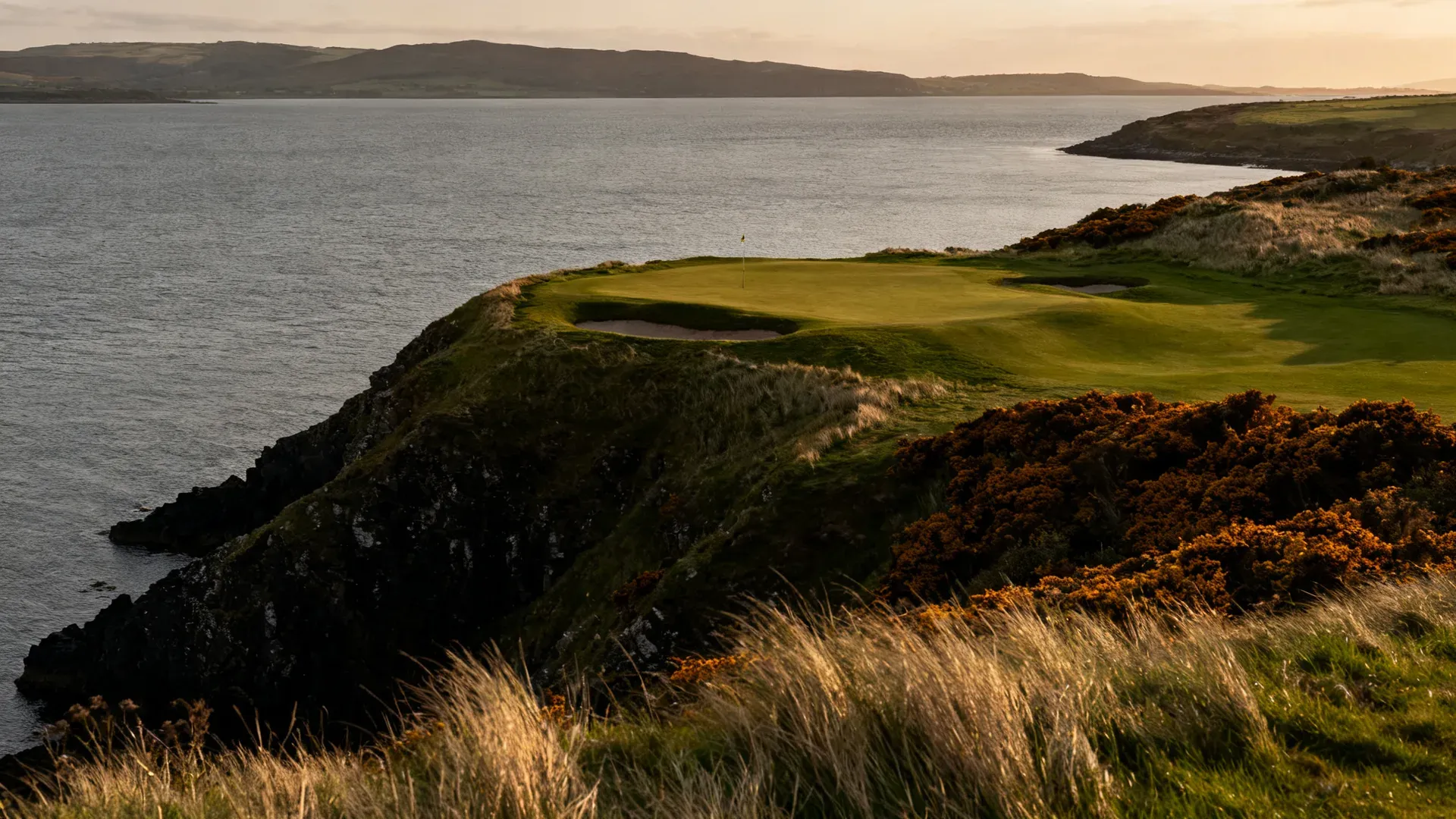
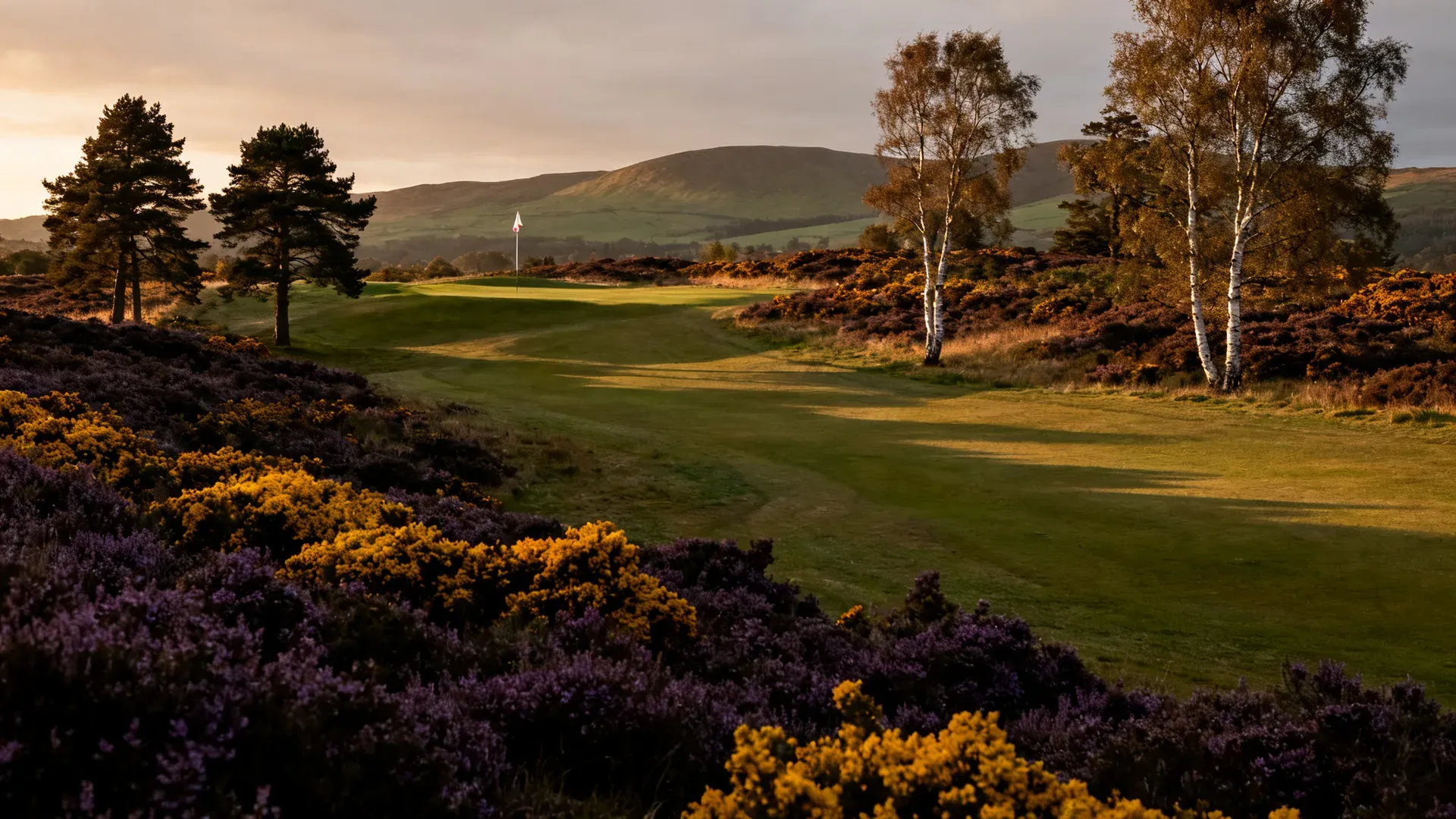
Narrow fairway between flowering gorse and fescue, a green and flag guarded by two bunkers, a grey sea on the horizon

Carnoustie Championship Course

  • Architect: Allan Robertson, Old Tom Morris; James Braid (1926)
  • Opened 1842
  • 18 holes
  • Par 72

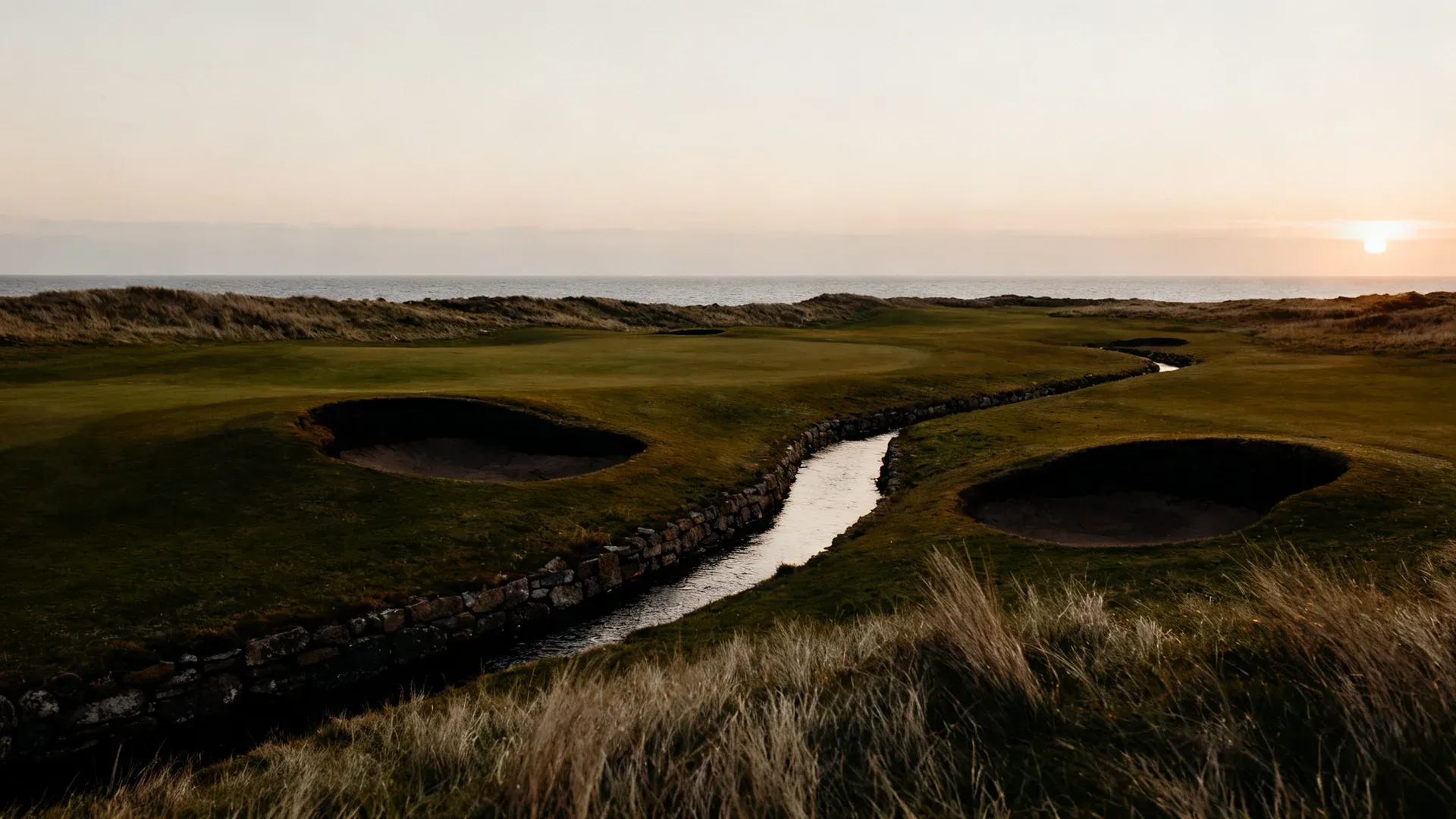
First laid out as ten holes by Allan Robertson, extended to eighteen by Old Tom Morris in 1867 and remodelled by James Braid in 1926 to host the Open, the Championship Course has staged the Championship eight times, from 1931 to 2018. Its reputation rests on flat, relentless ground, deep bunkers placed where drives land and, above all, the Barry Burn, which guards the 18th green. It was here, in 1999, that Jean van de Velde lost an Open he held on the 72nd hole. A course for seasoned golfers who want to measure themselves against the severest of the Open links.

Signature hole. The 6th, Hogan's Alley, is a long par 5 named in honour of Ben Hogan, winner of the 1953 Open: two bunkers in the middle of the fairway and a third on the right force you to choose your line from the tee.

Official website

Panmure Golf Club

  • Architect: Old Tom Morris; James Braid (1922)
  • Opened 1899
  • 18 holes

Founded in 1845, Panmure first played on the Monifieth links before settling in 1899 at Barry, just west of Carnoustie. The club claims the hands of Old Tom Morris and James Braid, who proposed changes in 1922. The flat opening and closing holes frame twelve holes of pure links among hummocks, heather and pines. In 1953 Ben Hogan practised here for two weeks with his caddie Cecil Timms to get to grips with links golf and the small British ball. The club, which has served as an Open Final Qualifying venue, remains quiet and keeps a very traditional welcome.

Signature hole. On the 6th, the hidden bunker short and right of the green was added at Hogan's suggestion; members still call it Hogan's Bunker.

Official website

Monifieth Golf Links, Medal Course

  • 18 holes
  • Par 72

Monifieth, on the edge of Dundee, has thirty-six holes of links, and it was on this ground that Panmure played its first rounds in the 19th century. The Medal Course, the more demanding of the two, runs alongside the Aberdeen–London railway line, out of bounds on the right for much of the front nine. The back nine becomes more undulating, with a series of solid par 4s and a 530-yard closing hole. Less famous than its neighbours, it offers quick greens and a true championship links, ideal for a day's golf ten minutes from Carnoustie.

Official website

Montrose Golf Links, 1562 Course

  • Architect: Willie Park Jr; James Braid
  • 18 holes
  • Par 71

Montrose describes itself as the fifth oldest golf course in the world, with more than 460 years of golf on its links. The 1562 Course, refined by Willie Park Jr and then James Braid, follows the Angus coast among dunes, gorse and deep bunkers, exposed to the easterly winds off the North Sea. The ground rolls but is easy to walk. It fits well at the end of a stay, about thirty-five minutes north of Carnoustie, for a more natural links with a different rhythm from the Championship.

Signature hole. The 16th, Gully, is a 232-yard par 3 that the club considers one of its best holes; the 17th, Rashies, defends itself without a single bunker.

Official website
Where to stay

Carnoustie Golf Hotel & Spa

The Carnoustie Golf Hotel & Spa stands on the edge of the links, facing the Championship Course: ninety-six rooms, including suites overlooking the course, the town and the sea. Calders Bistro serves from breakfast to dinner, and the refurbished spa offers a heated pool, jacuzzi, sauna and steam room. For a stay centred on Carnoustie, you walk to the first tee.

Gordon's

At Inverkeilor, near Lunan Bay and about twenty minutes north of Carnoustie, Gordon's is a restaurant with rooms run by the same family for some thirty years: chef Garry Watson in the kitchen, his mother Maria front of house. Just five rooms and a dining room selected by the Michelin Guide and awarded three AA Rosettes. Ideal for ending the day without getting back in the car.

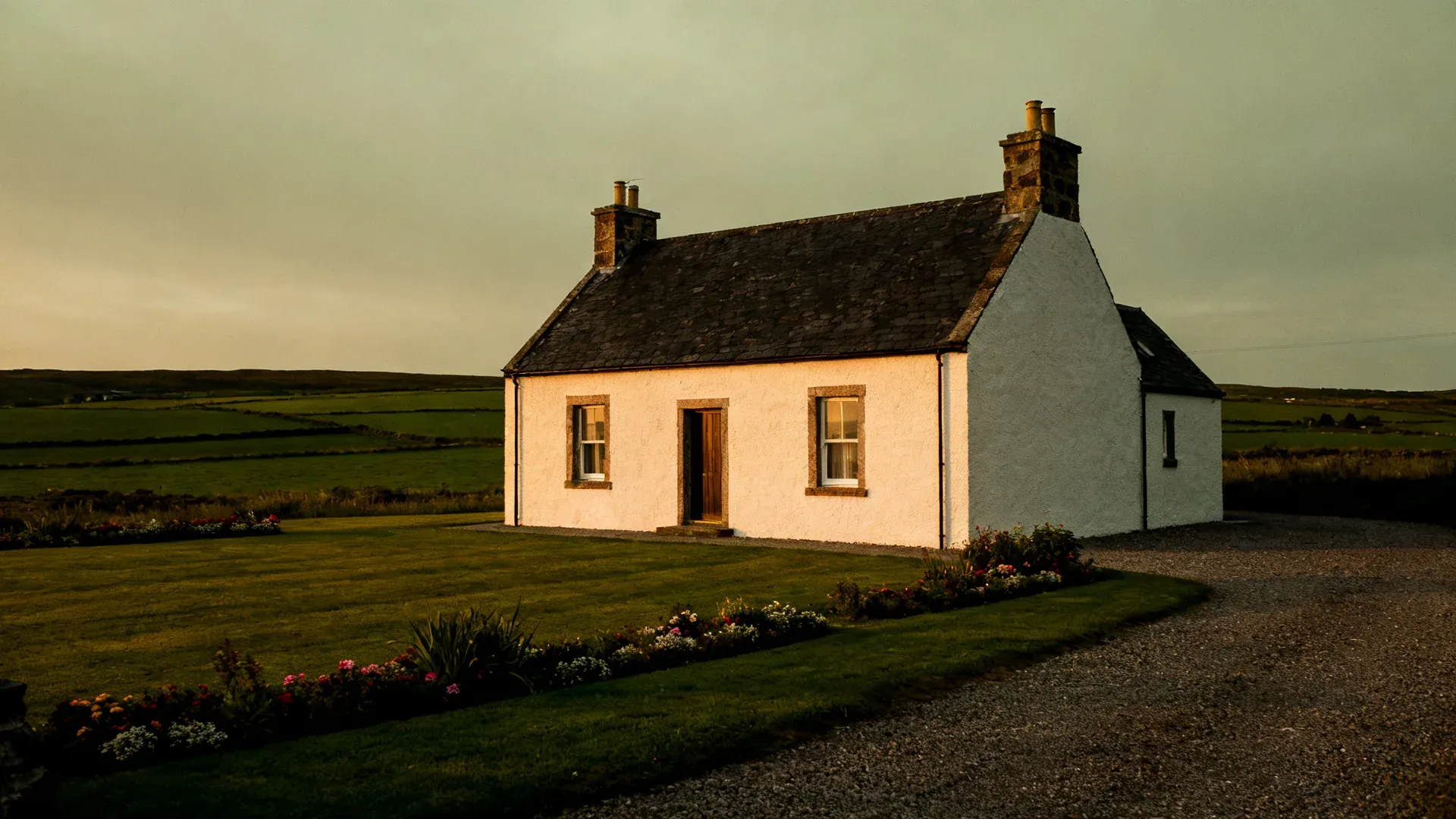
Whitewashed country house with a slate roof, a flowering lawn and gravel drive, fields in the evening sun

Where to dine

The Rookery

Upstairs in Links House, the welcome building of Carnoustie Golf Links, The Rookery looks across the course to the sea. Chef Jonathan Greer cooks Scottish produce from land and sea, and the drinks list leans on local distilleries, from Arbikie to Glencadam. Its name recalls the crows of the "Craws Nestie". For a group, book the Glencadam Room: twelve covers and a balcony over the fairway.

The Ship Inn

On the Broughty Ferry waterfront, a quarter of an hour from Carnoustie and close to Monifieth, this fisherfolk's spirit dealer, on record since 1847, is still the pub where the neighbourhood meets. The bar is on the ground floor; upstairs, the restaurant, fitted out like the below-deck of a sailing ship, has picture windows on the Tay. Ask for the window: from May to September, dolphins frequent the estuary. Bookings by telephone only.

Beyond golf

Arbroath and the Declaration of 1320

On 6 April 1320, Scottish barons sent Pope John XXII, in Avignon, a letter asserting the kingdom's independence from England. It is thought to have been drafted at Arbroath Abbey by its abbot, Bernard of Kilwinning, chancellor to King Robert the Bruce. The red sandstone ruins of the abbey still dominate the town, a quarter of an hour from Carnoustie; the original Declaration is kept at the National Records of Scotland in Edinburgh.

Glamis, castle of the Strathmores

Owned by the Lyon family since the 14th century, Glamis Castle was the childhood home of Queen Elizabeth the Queen Mother, and Princess Margaret was born there in 1930. Shakespeare made Macbeth Thane of Glamis, without historical foundation. The castle cultivates its legends, including that of the "Monster of Glamis", said to have been hidden in a secret room. Allow half an hour's drive from Carnoustie.

Auchmithie and the Arbroath smokie

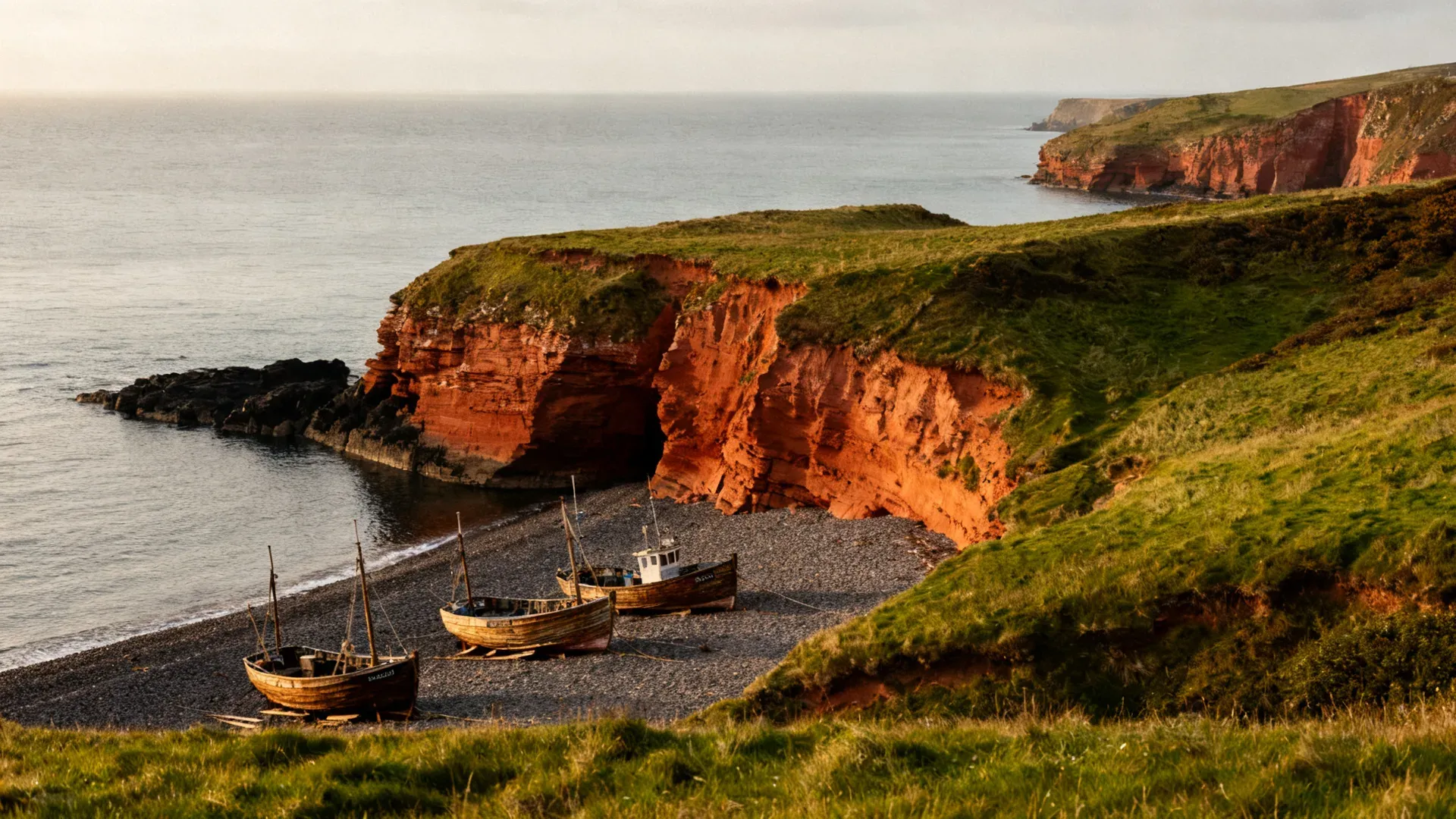
Five kilometres north-east of Arbroath, the hamlet of Auchmithie stands on red sandstone cliffs above a pebble beach. Tradition places the birth of the Arbroath smokie here, haddock smoked over local wood, after a store of salted fish caught fire. Walter Scott, who stayed here, turned it into Musselcrag in his novel The Antiquary.

Red sandstone cliffs above a pebble cove where old wooden fishing boats lie, a calm sea

When to go

The golf season runs from May to September: long days, mild temperatures rarely above twenty degrees and firm links that make the ball run. April and October remain playable and quieter, but cooler and windier. From November to March, Carnoustie requires fairway mats and may shorten its courses or switch to winter greens, and Panmure no longer takes visitors. The sandy links soil drains quickly after rain.

Getting there

Edinburgh (EDI) is the most convenient airport, about 1 hour 30 minutes by road from Carnoustie via the Queensferry Crossing and Dundee; Aberdeen (ABZ), to the north, is a similar distance. Trains link Carnoustie with Dundee and Arbroath, with a few direct services to Edinburgh, Glasgow and Aberdeen, and the Caledonian Sleeper stops there. Once there, a car is essential for Montrose and the hinterland.

Frequently asked questions

What is the best golf course in Angus?

Carnoustie's Championship Course, host of eight Opens between 1931 and 2018 and reputed to be the hardest on the rota. Panmure, five minutes away, is the region's quieter great classic.

What handicap do you need to play Carnoustie?

The Championship Course requires a maximum handicap of 28 for men and 36 for women. The Burnside and Buddon courses are played on the same site.

Can visitors play Panmure?

Yes, from April to October, in visitor slots set according to the day of the week, with online booking. The club applies a strict dress code, on the course and in the clubhouse.

When is the best time to play golf in Angus?

From May to September, when the days are long and the links firm. From November to March, Carnoustie has players use mats and Panmure closes to visitors.

Which airport is best for a golf trip to Carnoustie?

Edinburgh, about 1 hour 30 minutes by road. Aberdeen is an alternative depending on flights, and trains serve Carnoustie station directly.

Tailor-made

Your golf trip: Angus

Tee times, suites, transfers and tables: your concierge replies within 24 hours with a proposal shaped around you.

Explore: Scotland →